Living with urinary incontinence can quietly affect nearly every part of life, from social get-togethers and exercising to sleep quality and emotional well-being. Yet, despite how common this condition is, many delay seeking care out of shame, or they often believe it is something they must learn to manage on their own.
At Carolina Concierge Care, no one should feel alone when navigating sensitive health challenges. We have open, compassionate conversations with our patients because meeting to discuss their concerns is the first step toward meaningful improvement.
And understanding your urinary incontinence symptoms begins with education. When patients know what is happening in their bodies and why, they are better equipped to make informed decisions about their care.
In this comprehensive guide, we take a closer look at: common causes of urinary incontinence, signs and symptoms to watch for, and urinary incontinence treatment in Sumter County, SC. You can also use our table of contents to skip ahead.
Table of Contents
What Is Urinary Incontinence?
What Are the Types of Urinary Incontinence?
What Are the Common Causes of Urinary Incontinence?
What Are Treatment Options for Urinary Incontinence?
What Are Lifestyle Tips for Managing Urinary Incontinence?
What is Urinary Incontinence?
Urinary incontinence refers to the involuntary release of urine that occurs when the body has difficulty controlling bladder function. While this experience can feel uncomfortable or frustrating, it is far more common than many people realize.
Incontinence can develop for a variety of reasons, including weakened pelvic floor muscles, neurological conditions, urinary tract infections (UTIs), hormonal changes, and certain lifestyle habits.
Symptoms can range from occasional, mild leakage to more frequent or complete loss of bladder control. Regardless of severity, these changes can affect daily routines, emotional well-being, and overall confidence.
The urinary system includes the kidneys, bladder, ureters, and urethra. As the bladder fills with urine, the detrusor muscle contracts to allow normal urination. When communication between these muscles and nerves is disrupted or when pelvic support weakens, involuntary leakage can occur.
Types of Urinary Incontinence
There are several types of urinary incontinence, each with different causes and symptoms. Identifying the specific type you may be experiencing is an important part of creating a personalized care plan and selecting the right urinary incontinence treatment in Sumter County, SC.
Stress Incontinence
Stress incontinence occurs when physical movement or pressure on the abdomen causes urine leakage. This can happen when sneezing, coughing, laughing, or exercising. This type of incontinence is especially common in women, particularly after pregnancy or menopause.
Changes in hormones can weaken the pelvic muscles, which contribute to urinary incontinence. Treatments for stress incontinence often involve strengthening the pelvic floor muscles.
Urge Incontinence
Also known as an overactive bladder, urge incontinence is characterized by a sudden, intense need to urinate followed by involuntary leakage. These strong bladder contractions can occur without warning, making it difficult to reach the restroom in time.
Common causes of urge incontinence include nerve damage due to multiple sclerosis, Parkinson’s disease, or diabetes. There are specific medications that can be used to help relax the bladder muscle and reduce the symptoms of an overactive bladder.
Overflow Incontinence
Overflow incontinence happens when the bladder is unable to empty completely. As the bladder becomes overly full, small amounts of urine may leak out gradually. This can be caused by an obstruction or weakened bladder muscles.
Benign prostatic hyperplasia (BPH) in men and pelvic organ prolapse in women can contribute to this type of incontinence. An overflow incontinence treatment may involve medications that help with urine flow.
Functional Incontinence
Functional incontinence is caused by someone having a physical or mental condition that prevents them from reaching the restroom in time, even though bladder function itself may be normal. Conditions like Parkinsons’s disease, spinal cord injuries, or cognitive disorders can interfere with a person’s ability to make it to the bathroom or recognize the need to go.
Supportive strategies such as bladder training, mobility assistance, and nerve stimulation therapies may help reduce symptoms for those experiencing functional incontinence.
Mixed Incontinence
Mixed incontinence refers to a combination of stress and urge incontinence. Patients with this condition may experience urine leakage during physical activities, as well as sudden, intense urges to go to the bathroom.
The treatments for mixed incontinence often involve a combination of therapies.
Common Causes and Risk Factors
Urinary incontinence can develop for many different reasons, and understanding these contributing factors can help patients recognize symptoms early on and determine when it may be time to seek urinary incontinence treatment in Sumter County, SC.
Medical Conditions and Medications
Certain medical conditions—like nerve damage, kidney disease, tumors, or UTIs—can cause urinary incontinence. Some medications, including diuretics and blood pressure treatments, may increase urine production and worsen leakage symptoms.
Pregnancy and Menopause
Pregnancy and childbirth can weaken the pelvic muscles, leading to stress incontinence. During pregnancy, the changes within the body put pressure on the bladder, while the delivery process can stretch or damage pelvic floor muscles.
Additionally, hormonal changes during menopause can further affect these muscles, increasing the risk of incontinence.
Aging
As part of the natural aging process, muscles throughout the body, including those involved in bladder control, can lose strength and flexibility. The bladder may also become less elastic, reducing its ability to hold urine comfortably and increasing the frequency of bathroom trips.
Obesity
Excess weight can put increased pressure on the bladder and pelvic organs, contributing to both stress incontinence and urge incontinence. Maintaining a healthy weight through lifestyle changes and daily movement can help alleviate these symptoms.
Surgery
Certain surgeries, like a prostatectomy or hysterectomy, can unintentionally damage the nervous system or pelvic floor muscles.
This can lead to urinary incontinence. In men, prostate surgery can cause overflow incontinence, while women may experience pelvic organ prolapse after a hysterectomy, which affects bladder control.
Treatment Options for Urinary Incontinence
There are many treatment options available for urinary incontinence, ranging from non-invasive therapies to more advanced medical interventions when necessary.
Finding the right treatment for your specific needs often depends on the type and severity of incontinence. Every successful urinary incontinence treatment in Sumter County, SC, begins with an open and honest conversation.
At Carolina Concierge Care, we understand that discussing bladder concerns can feel personal and vulnerable. Our team is committed to creating a comfortable, supportive environment where patients feel heard, respected, and empowered throughout their care journey.
Here are some of the non-invasive treatments we offer.
Emsella
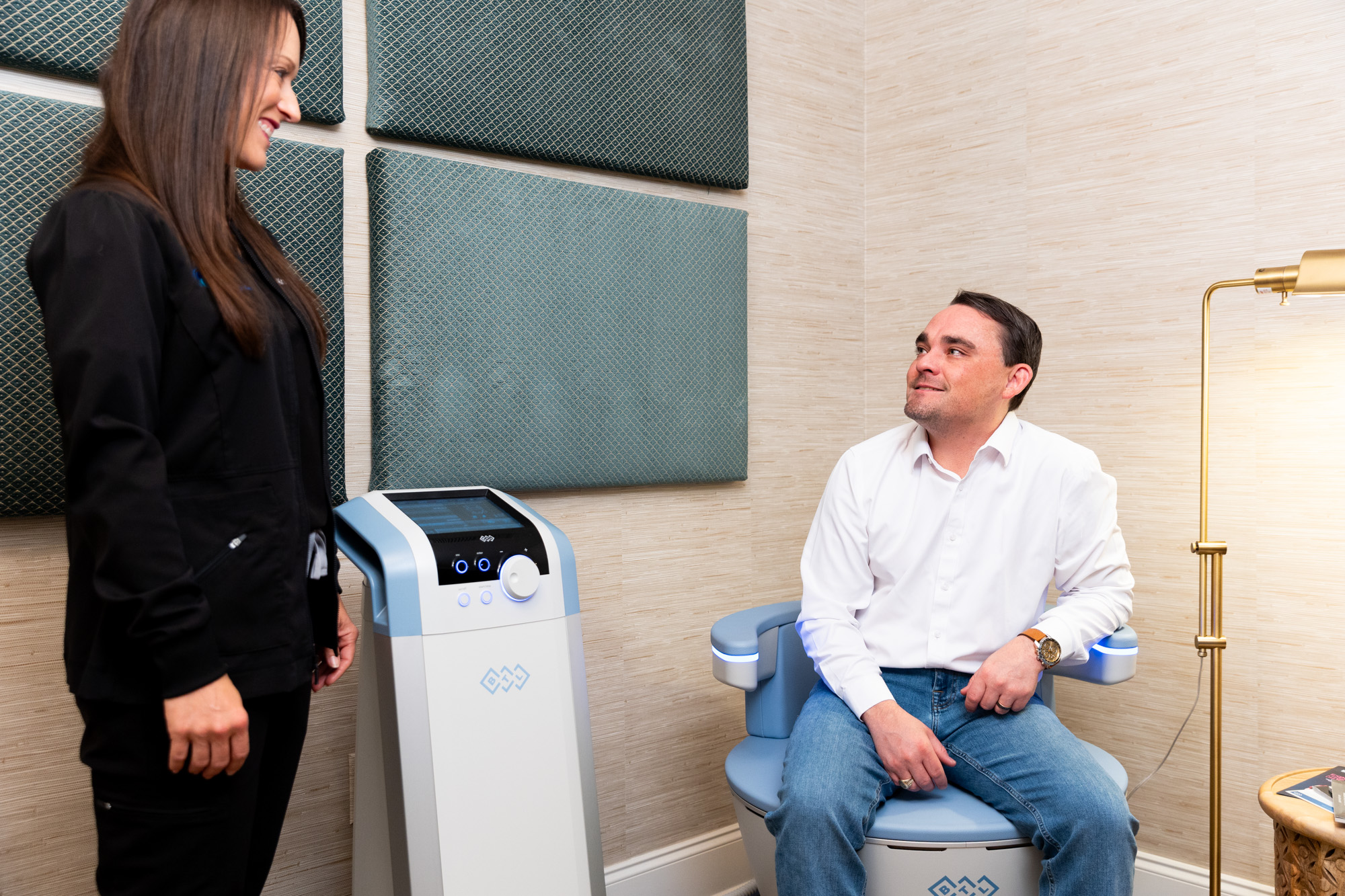
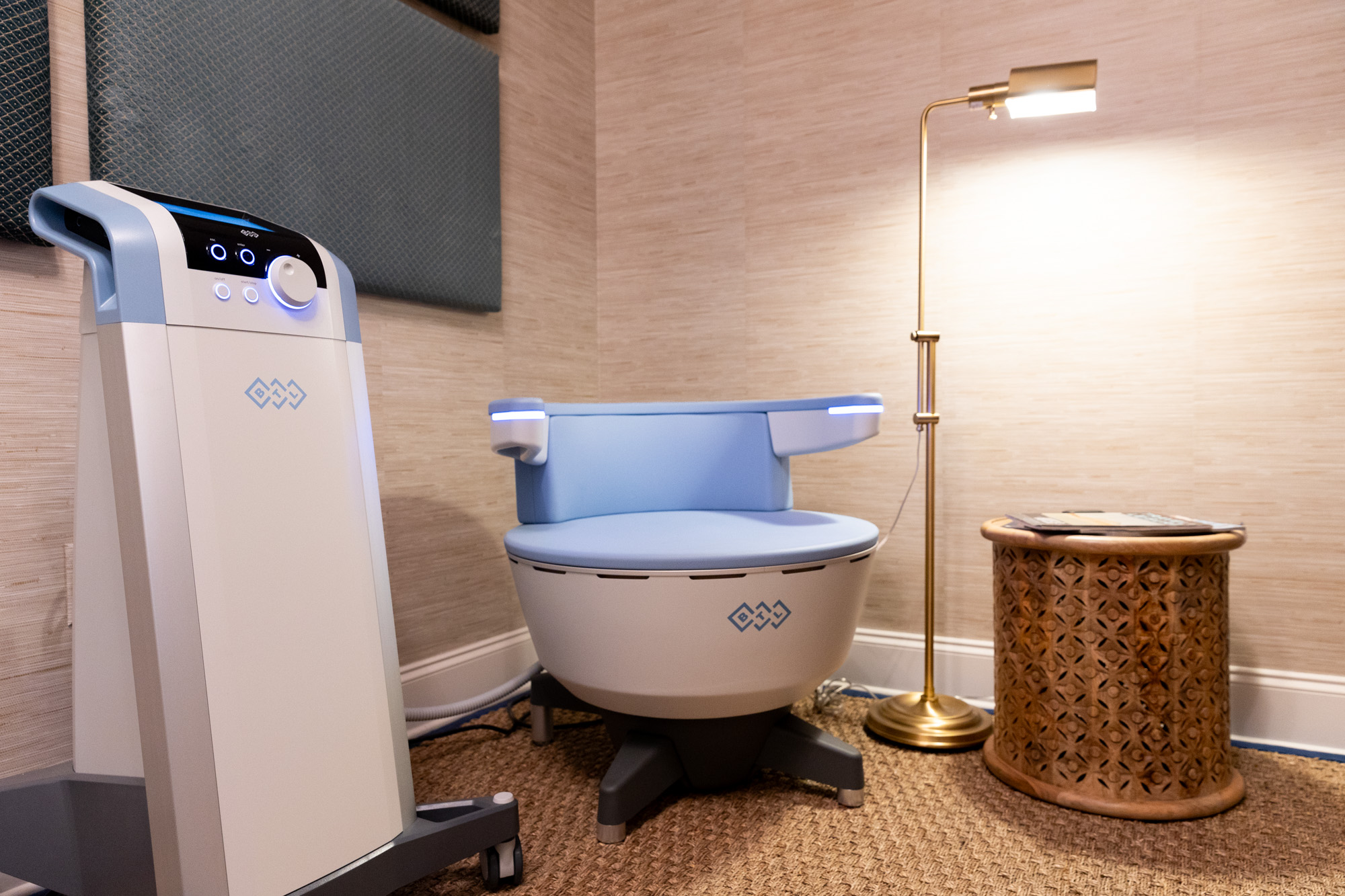
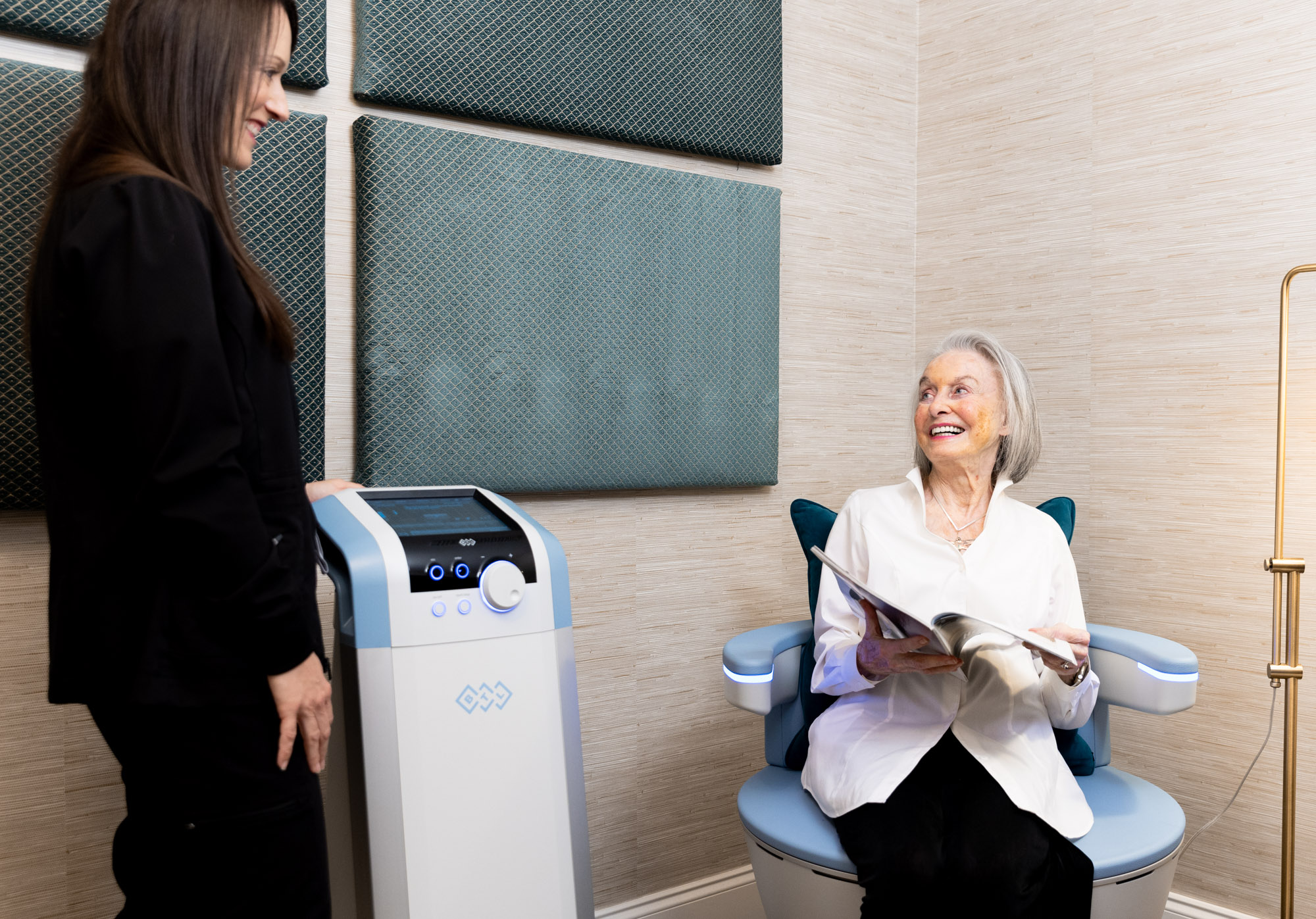
One of the most innovative advances in incontinence support is Emsella, a non-invasive pelvic floor treatment that uses high-intensity focused electromagnetic energy (HIFEM) to strengthen the pelvic floor muscles.
During an Emsella session, patients sit fully clothed on the Emsella chair while it stimulates thousands of pelvic floor muscle contractions, roughly equivalent to 11,000 Kegel exercises in a single session.
Emsella has been shown to improve bladder control, reduce urine leakage, and enhance overall pelvic health. It requires no downtime, making it an ideal option for those with busy lifestyles. Patients can expect to see significant improvement in their pelvic muscle strength after a few sessions.
Physical Therapy and Pelvic Floor Exercises
Pelvic floor physical therapy plays an important role in treating many forms of urinary incontinence. Kegel exercises, which involve relaxing and contracting the pelvic muscles, help strengthen the pelvic floor and other urinary tract muscles.
A physical exam performed by a healthcare provider is the first step in determining if pelvic floor exercises are needed.
Lifestyle Tips for Managing Urinary Incontinence
Living with urinary leakage can be frustrating, but small daily adjustments can make a meaningful difference.
While long-term improvement often begins with professional urinary incontinence treatment in Sumter County, SC, certain habits may help reduce symptom severity and improve bladder control.
Here are some ways you can train your bladder:
- Follow a fluid schedule: Try to keep your fluid intake on a schedule to help retrain your bladder when to fill and when to empty. It can also be helpful to limit fluid intake after 6 p.m.
- Limit common bladder irritants: Some fluids can be more difficult for the bladder to process. Caffeine, alcohol, and high-citrus drinks can make symptoms of urinary incontinence worse.
- Manage constipation: Chronic constipation increases pressure on pelvic organs and the bladder. Eating fiber-rich foods, staying hydrated, and addressing digestive health can help reduce strain.
- Keep a bladder diary: Tracking fluid intake, bathroom visits, and leakage patterns over several days can provide helpful insights and support more productive conversations with your healthcare provider.
You’re Not Alone. Support Starts Here.
Breaking the silence around urinary incontinence is one of the most powerful steps toward healing and lasting improvement. When patients feel informed, supported, and heard, they are better equipped to make decisions that positively impact their health and well-being.
At Carolina Concierge Care, our approach to urinary incontinence treatments in Sumter County, SC, focuses on understanding your unique needs and creating solutions that fit your lifestyle, health goals, and long-term wellness.
If you’ve been experiencing symptoms, whether mild or more persistent, it might be time to take the next step. Our team is here to provide guidance, advanced treatment options, and one-on-one attention when you need it.
Schedule a private consultation and begin your journey toward improved bladder health, greater confidence, and a better quality of life.