Your body speaks in whispers long before it resorts to shouts. Oftentimes, true wellness begins when we slow down, tune in, and listen; not just to the noise around us, but to the subtle signals our own bodies send every day.
At Caroline Concierge Care, we understand how frustrating it can feel when your energy wanes, your meals leave you unsatisfied, or your symptoms don’t quite match what you expect. Even when you’re doing your best to take good care of yourself, it might not feel like enough.
That’s why we take nutrition seriously, not as a one-size-fits-all prescription, but as an individualized conversation between you and your health. If you’ve found yourself typing “nutrition therapist near me in Florence, South Carolina,” into your search bar, you’re not alone. This is the first step toward a more attentive, compassionate way of caring for yourself.
In this blog, our team helps you understand the following topics as you start down this path to more vibrant health that truly feels right for you.
Table of Contents
- What Is Nutrition Therapy?
- How Is Nutrition Therapy Different From Dieting?
- The Benefits of Nutrition Therapy
- Signs You May Need Nutrition Therapy
- Who Can Benefit From Nutrition Counseling?
- What Happens During Nutrition Counseling?
What Is Nutrition Therapy?
Nutrition therapy is a personalized, evidence-based approach to improving health through the way we eat. Rather than focusing solely on weight or calorie intake, nutrition therapy looks at the whole person, including physical health, emotional well-being, lifestyle factors, and personal goals.
At its core, nutrition therapy helps us understand how food supports our body’s unique needs. This may include addressing energy levels, digestion, metabolic health, blood sugar balance, inflammation, or nutrient deficiencies. The goal isn’t to just tell you what to eat, but to help you develop skills, awareness, and confidence around food choices that support your long-term well-being.
Working with a nutrition therapist near you in Florence, South Carolina, also means addressing the emotional side of eating. Many people carry stress, guilt, or confusion around food, often shaped by years of conflicting advice or past dieting experiences.
Together, you and our team focus on creating meals and routines that feel nourishing rather than overwhelming. Over time, this approach helps make eating feel simpler, more satisfying, and more aligned with your body’s natural cues.
How Is Nutrition Therapy Different From Dieting?
One of the most common misconceptions about nutrition counseling is that it’s simply a more formal version of dieting. However, the two approaches are very different. Dieting typically centers on restriction, rigid rules, and short-term results. While diets may offer temporary changes, they often fail to address why certain habits exist in the first place.
Nutrition therapy takes a much more sustainable approach. Instead of focusing on what you should eliminate, it prioritizes understanding patterns, building skills, and creating a plan that changes and adapts to your life over time.
When you work with a nutrition therapist near you in Florence, South Carolina, your care is shaped by factors such as:
- Your daily routine, work schedule, and stress levels
- Your relationship with food
- Your medical history and current health concerns
- What has (and hasn’t) worked for you in the past
Rather than demanding you “do everything right,” nutrition therapy focuses on progress, flexibility, and long-term consistency. The emphasis is on supporting your life, not controlling it.
The Benefits of Nutrition Therapy
Nutrition therapy offers benefits that extend far beyond the plate. By addressing both the physical and emotional aspects of eating, it helps people develop a healthier relationship with food and their bodies.
Nutrition therapy can help you:
- Lose weight or maintain a healthy weight
- Reduce inflammation throughout the body
- Maintain healthy blood sugar levels
- Improve mental health and mood
- Learn evidence-based dietary recommendations
- Improve digestion and gut health
Because every individual’s needs are different, nutrition therapy is always personalized. Through a thorough assessment of your diet, lifestyle, and health history, a nutrition therapist near you in Florence, South Carolina, can create a plan that supports your health and progress.
Common Signs It May Be Time to See a Nutrition Therapist
Recognizing when professional nutrition support may be helpful often involves noticing patterns in what you eat and how you feel about eating. Several key indicators that may suggest professional guidance could be valuable include:
1. Persistent Confusion About Nutrition
If you feel overwhelmed by conflicting nutrition advice, struggle to know what applies to you, or are constantly second-guessing your eating choices, nutrition counseling can provide clarity in your day-to-day life.
A nutrition professional helps you separate evidence-based guidance from trends and marketing, so you can make informed, confident decisions about eating.
2. Cycles of Progress and Setbacks
Many people experience short-term success with dietary changes, only to return to old habits. This often indicates that deeper factors, like stress, emotional eating, or unrealistic expectations, haven’t been addressed.
Nutrition therapy focuses on those root causes rather than surface-level quick fixes.
3. Physical Symptoms Related to Eating
Ongoing digestive discomfort, low energy, frequent headaches, weight fluctuations, or changes in blood sugar may be connected to nutrition. A nutrition counselor can identify whether dietary factors are contributing to any persistent symptoms, then develop appropriate, supportive health strategies.
4. Emotional Eating Patterns
Turning to food for comfort, stress relief, or distraction is common — and it’s not a personal failure. However, if guilt, shame, or anxiety around eating is affecting your quality of life, professional support can help.
A nutrition therapist near you in Florence, South Carolina, can help address both the nutritional and psychological aspects of eating to help curb these feelings or habits.
5. Restrictive or Rigid Eating Behaviors
Avoiding entire food groups, following strict rules, or feeling stressed around meal time may be a sign to seek guidance. These restrictive patterns can quietly interfere with social life, mental health, and overall well-being.
Nutrition therapy helps restore flexibility in your diet, while promoting balance in a supportive, nonjudgmental way.
Who Can Benefit From Nutrition Counseling?
Nutrition counseling can be helpful for people at many different stages of their health journeys, including those:
- Looking for support that feels realistic and individualized
- Seeking weight management or metabolic health support
- Using weight loss medications or navigating changes after bariatric surgery
- Managing conditions like diabetes, high cholesterol, or high blood pressure
- Wanting structured guidance without restriction
If you’ve been “doing everything right” and still feel stuck, nutrition therapy can help uncover what’s truly influencing your progress and guide you forward with clarity and care.
What Happens During Nutrition Counseling?
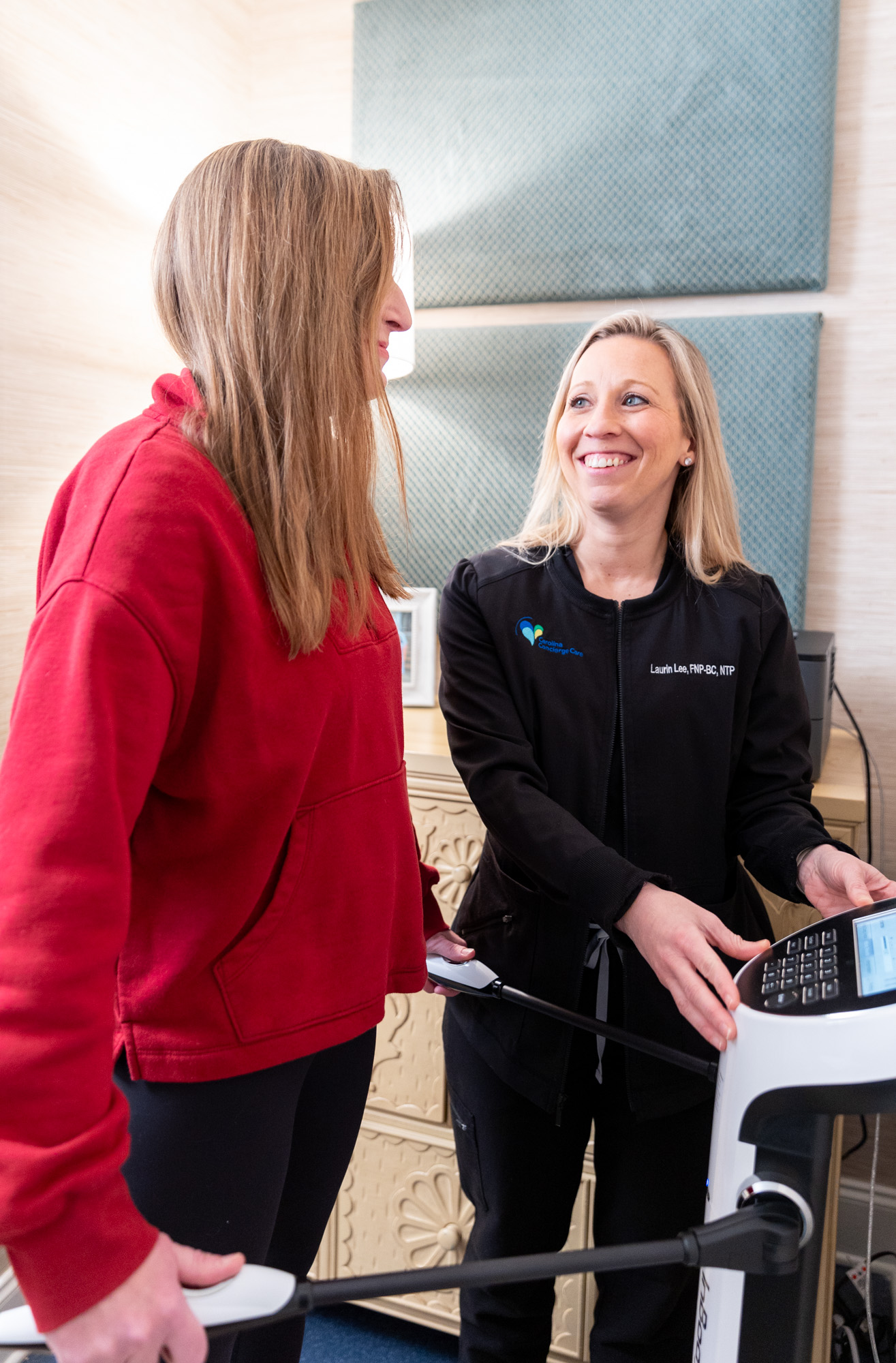
It’s natural to want to know what to expect before starting nutrition therapy. While each plan is tailored to each patient’s unique needs, the overall process is designed to be supportive, thorough, and collaborative for everyone.
Initial Consultation
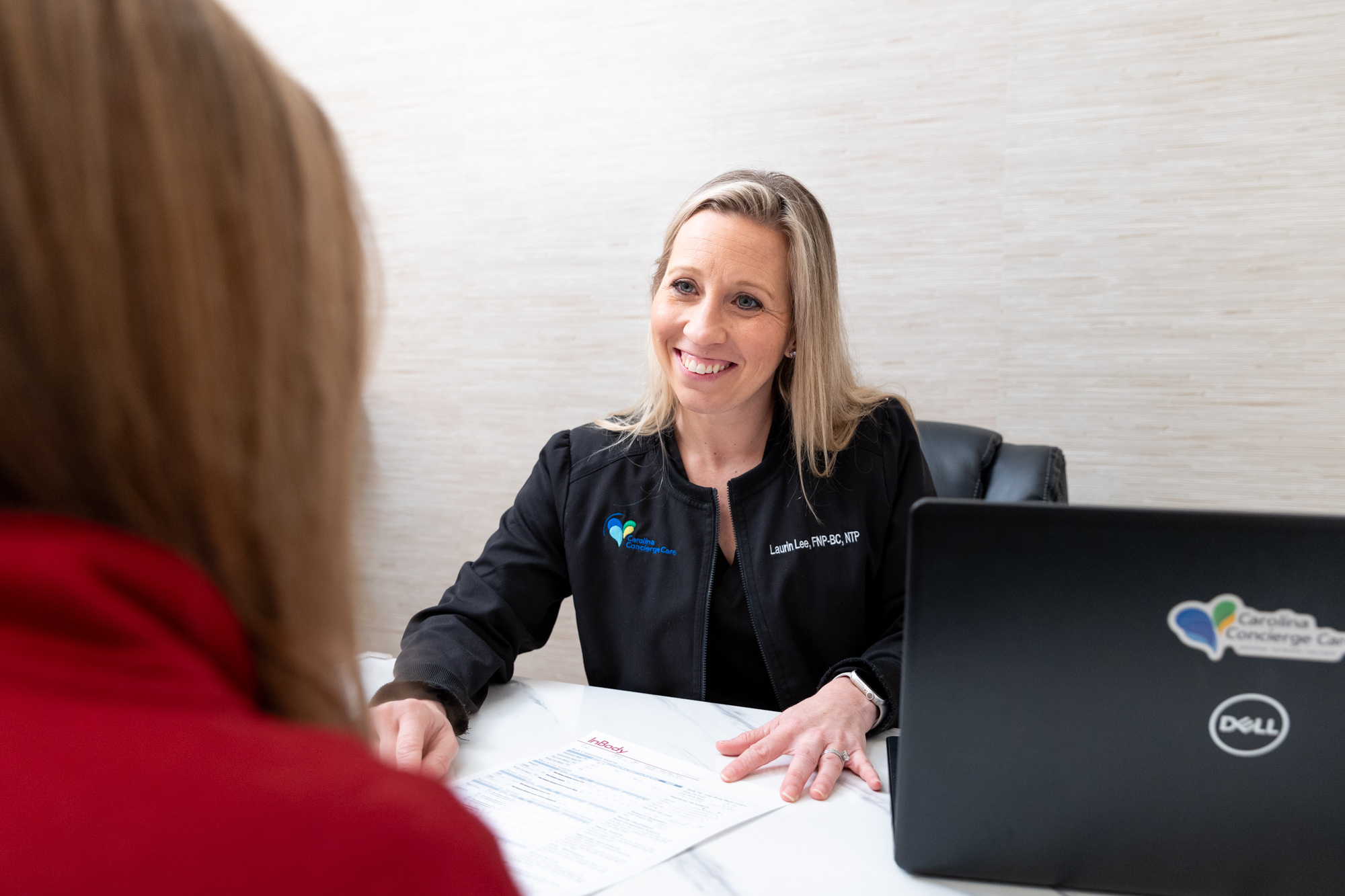
Your first visit focuses on understanding your current habits, potential challenges, and goals. Your physician will ask about what you eat, how you feel after meals, and any concerns or symptoms you’re currently experiencing.
Some questions they may ask include:
- Why are you seeking nutrition counseling?
- What would you like to change about your current diet?
- What are your biggest barriers to healthy eating?
- How are your current dietary habits affecting your daily life?
- What are your biggest health and wellness goals?
- Do you have any food sensitivities you are trying to compensate for?
The answers to these questions will help guide your nutrition plan and help your nutrition counselor determine your best path forward.
Personalize Nutrition Plans
Your nutrition plan will be built around your lifestyle, preferences, and specific medical needs. The goal is to make healthy choices feel achievable, not overwhelming, while addressing any underlying contributors to symptoms—like food allergies or sensitivities.
Education and Guidance
Nutrition can feel confusing, especially with so much information online. Working with a nutrition therapist near you in Florence, South Carolina, gives you access to clear, reliable guidance grounded in science and experience.
You will learn about evidence-based nutrition practices that can enhance your lifestyle while improving your overall health. Some topics your physician may cover with you during your nutrition counseling include:
- Exploring healthy food choices
- How to exercise portion control
- Favoring a balanced diet
- Avoiding excessive restriction
- Guidance on how to incorporate your favorite foods into your diet
- Importance of occasional treats
- Weight management through proper diet
After establishing these practices, you will visit your nutrition counselor every 4 to 6 weeks. You will be given a food and mood journal to track what you are eating and how you are feeling. This helps to track your progress while allowing your physician to tailor strategies as needed.
Your Next Step Toward Feeling Heard and Supported
Listening to your body is an act of self-respect, not self-criticism. When you begin to notice patterns, like low energy, digestive discomfort, changes in mood, or a sense that something feels off, those signals are worth honoring.
At Caroline Concierge Care, nutrition is never about perfection or restriction, but about understanding your unique needs and building sustainable habits that support your long-term health.
If you’ve found yourself looking for a nutrition therapist near me in Florence, South Carolina, now may be the perfect time to learn more.
Reach out to schedule a private consultation and discover how a personalized, concierge-level approach to nutrition can help you feel more in tune with your body and more confident in your health decisions.